
14. Tutorial#
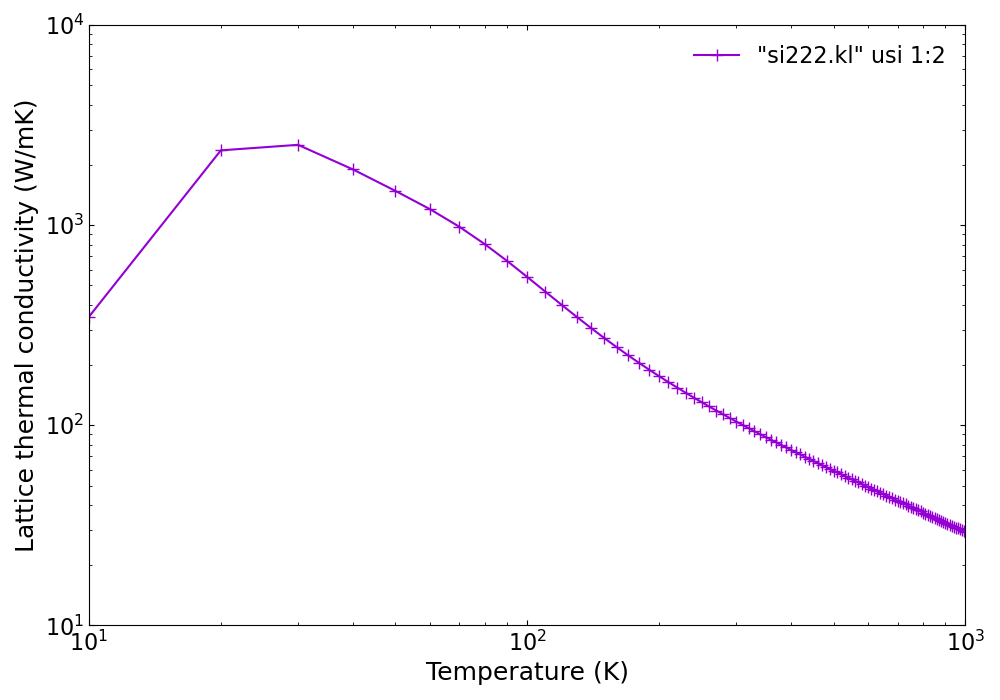
Phonon dispersion, DOS, and lattice thermal conductivity of Si from DFT forces.
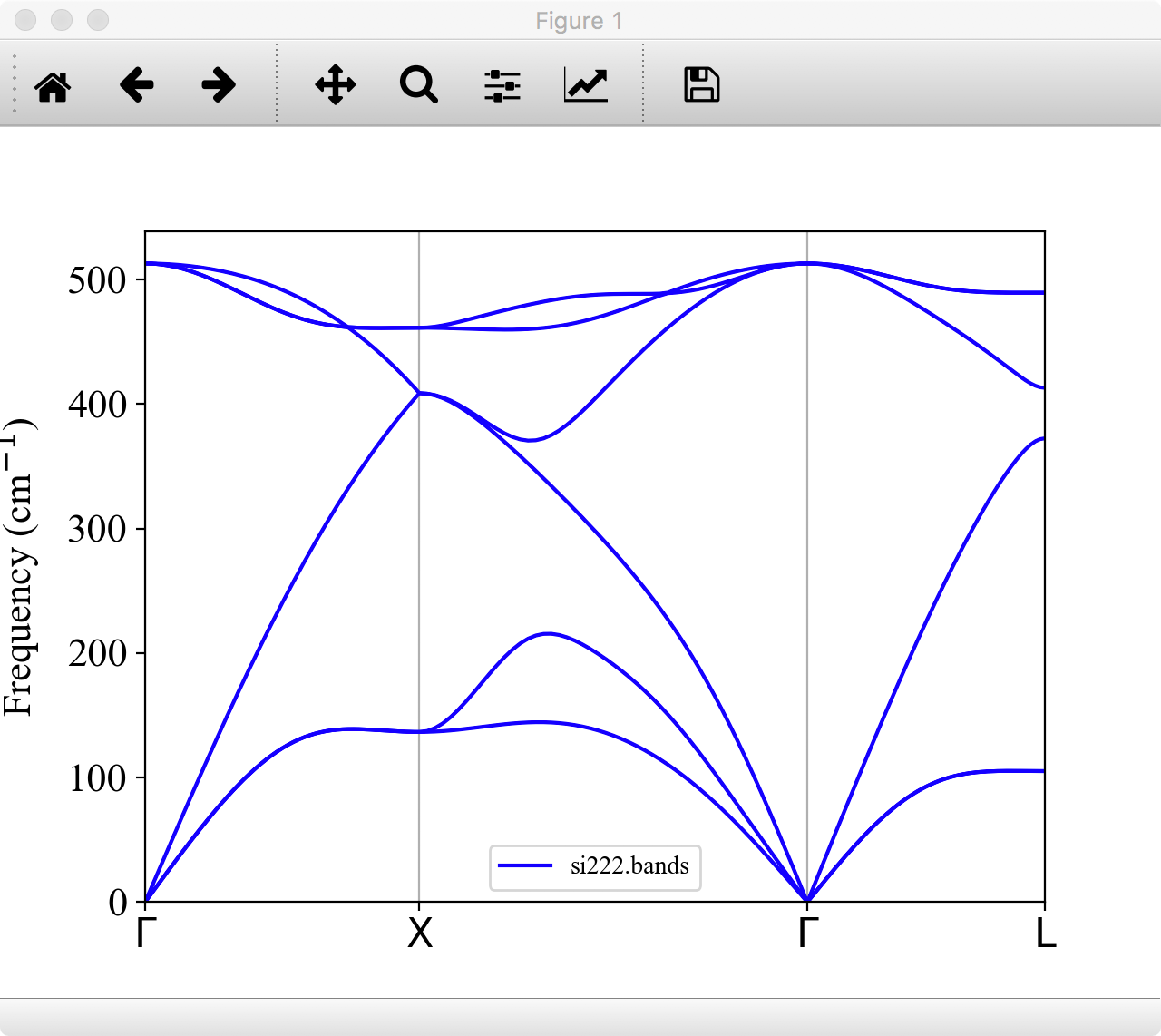
Use LAMMPS with an empirical potential instead of DFT to compute the forces.
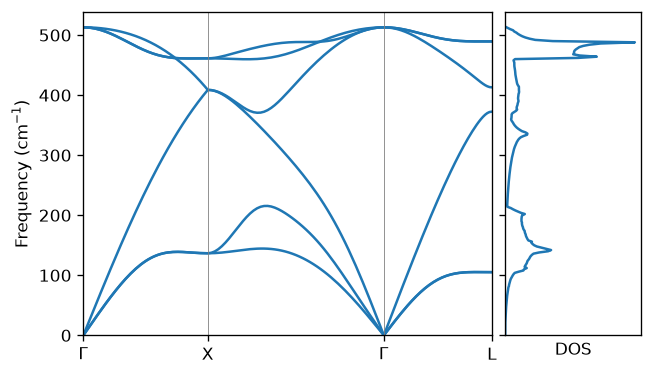
Run the Si phonon and thermal-conductivity calculations from a Python script with the anphon Python API.
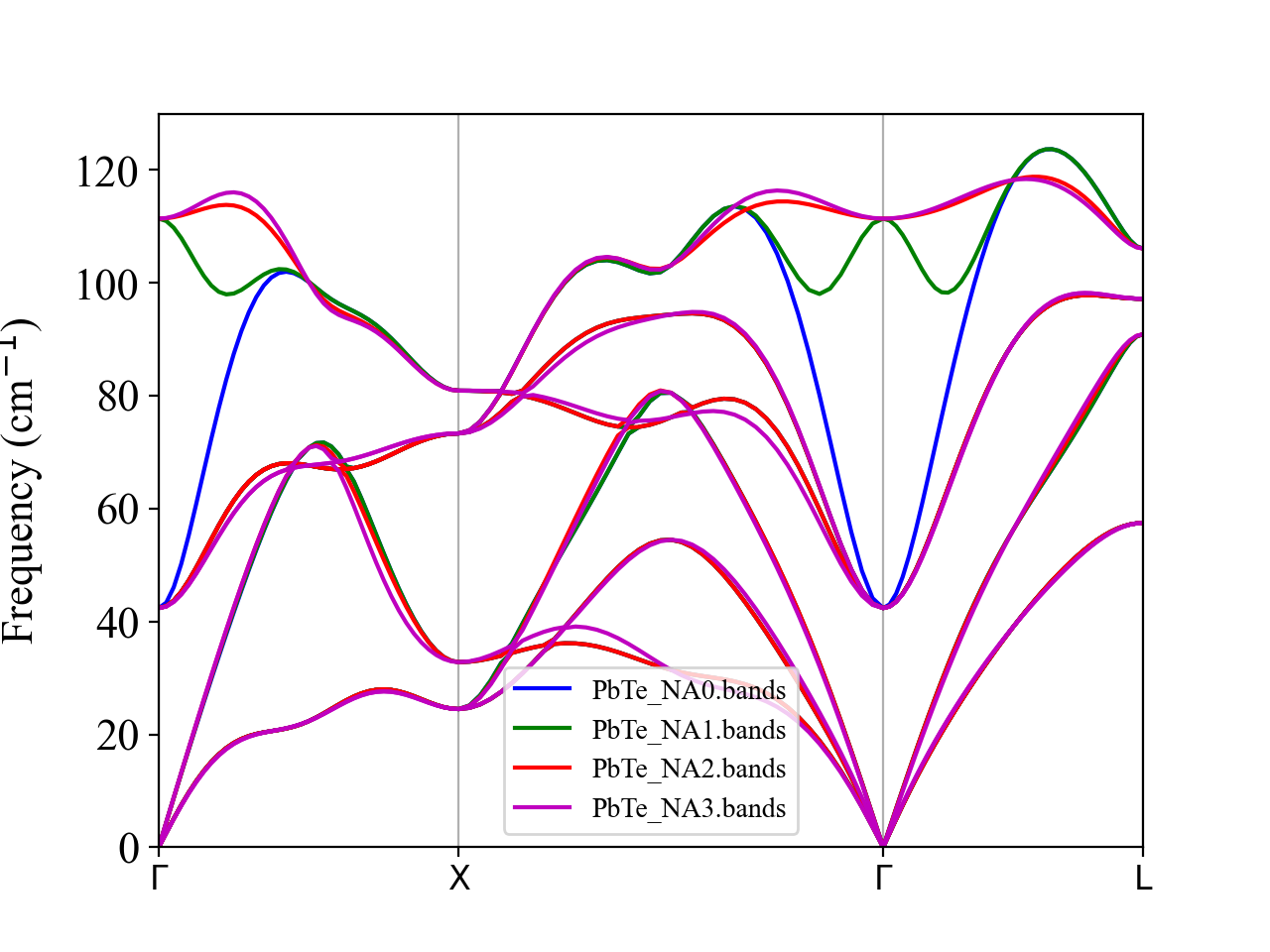
LO-TO splitting in polar materials from Born effective charges and the NONANALYTIC options.
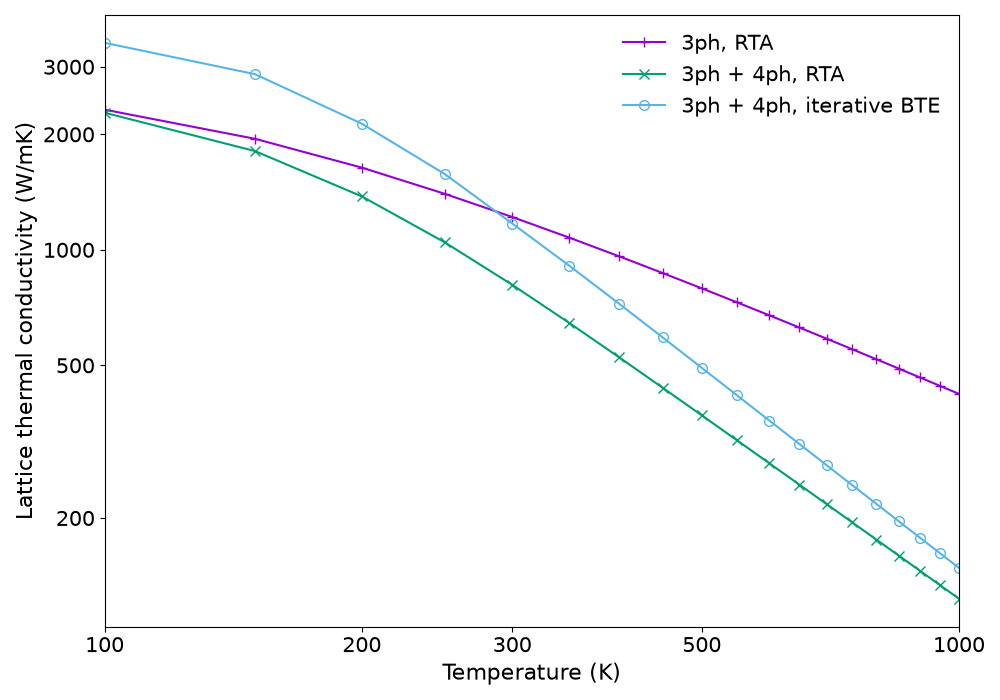
Add four-phonon scattering to the thermal conductivity of BAs and go beyond the RTA.
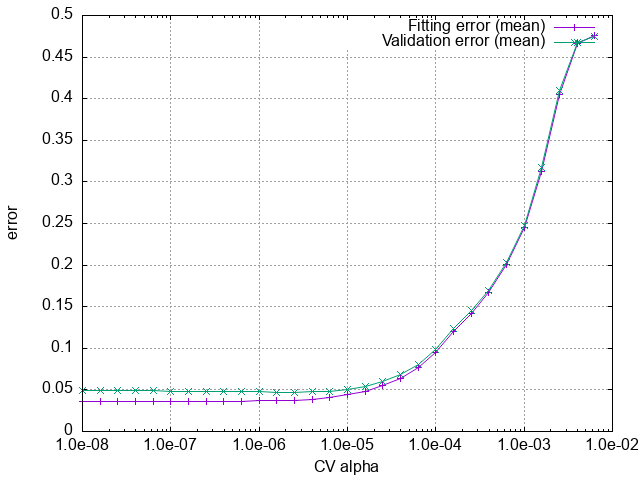
Fit anharmonic IFCs from AIMD-sampled configurations, with the regularization chosen by cross validation.
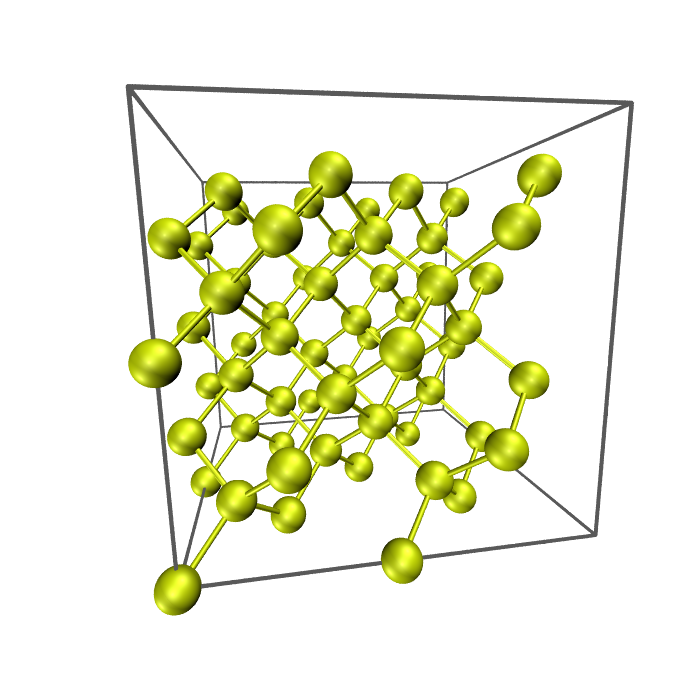
Sample configurations from the harmonic potential energy surface and run the CV sets as separate jobs.
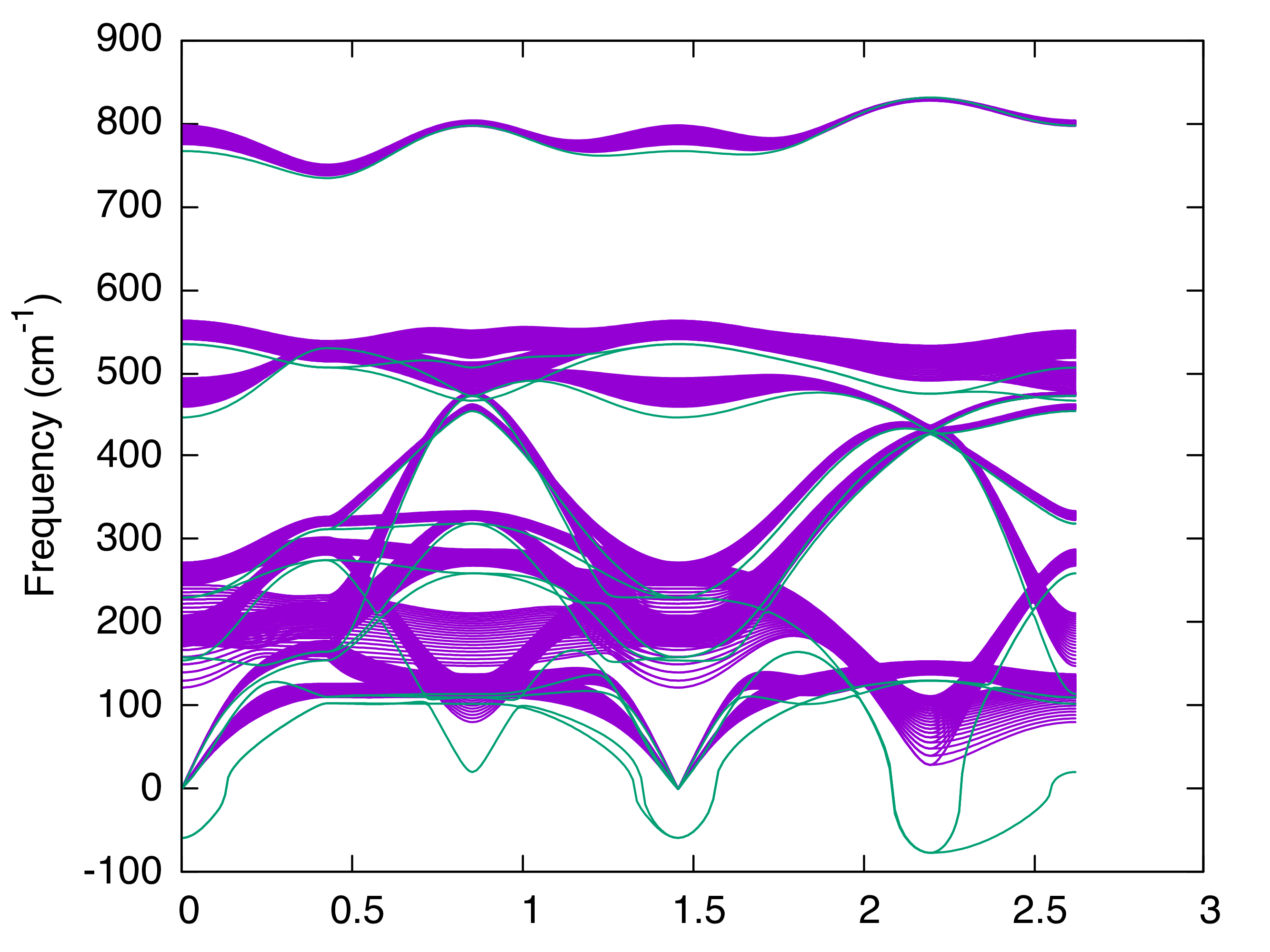
Stabilize soft modes at finite temperature and compute SCP thermodynamic functions.
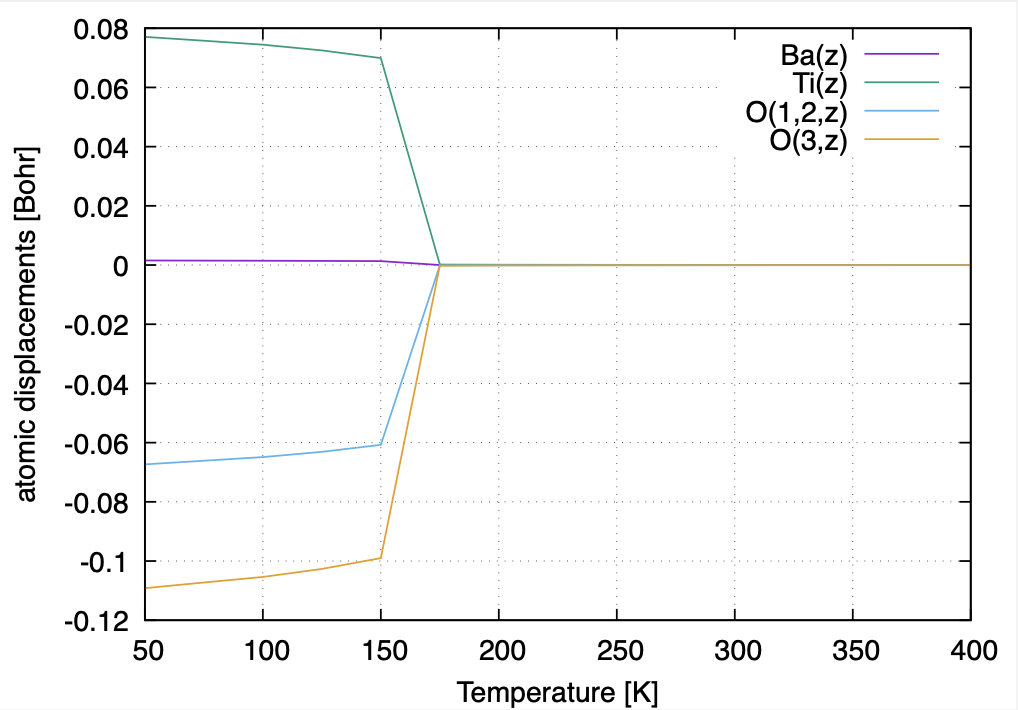
Follow the cubic-tetragonal phase transition through the temperature-dependent atomic positions.
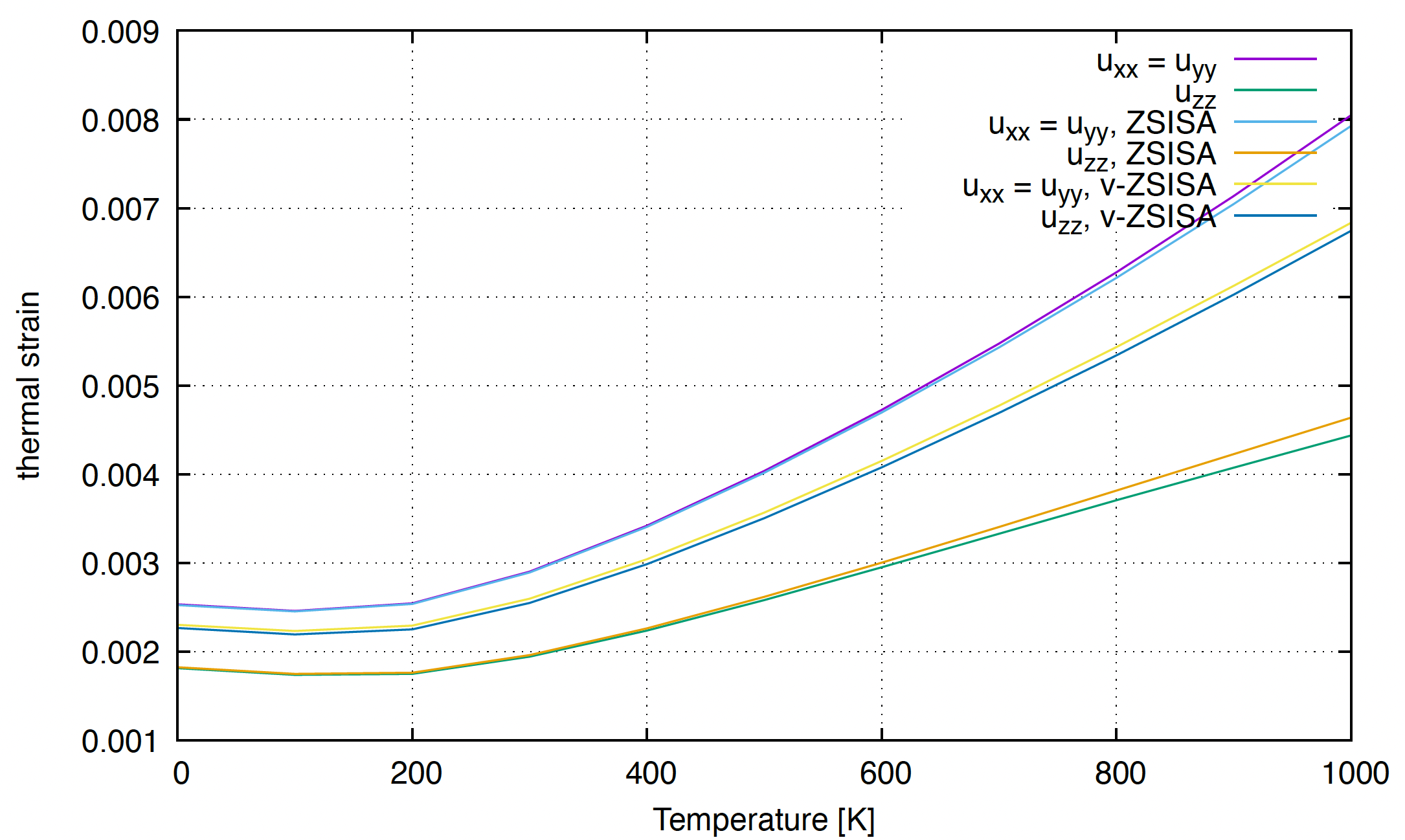
Thermal expansion of wurtzite ZnO from the strain couplings within the QHA.
14.11. Notebooks#
The Jupyter notebooks in example/notebooks/ do the analysis in Python.
They are stored with their outputs, so you can download and read them as they are, or run them online.
Rebuild the thermal conductivity of Si from the lifetimes and velocities in the HDF5 file, and plot the cumulative thermal conductivity. Needs only NumPy, h5py, and Matplotlib.
Fit the harmonic and cubic IFCs of Si with the alm Python module, and try a scikit-learn regressor. Needs the compiled alm module, which Binder builds for you.